
What to pack in a first night box for moving into a new home
By Becca Published 7 min read
As an Amazon Associate I earn from qualifying purchases. That costs you nothing and does not decide what gets recommended.
On this page (8 sections)
- Key takeaways
- What a first night box is and why it matters
- What items are essential to have immediately accessible on first night
- How to organize the first night box for easy use
- Why these items matter for comfort and safety on first night
- Common mistakes when preparing a first night box
- What to pack in a first night box for moving into a new home
- Questions people still ask
In short: A first night box should contain essentials like basic toiletries, a change of clothes, snacks, important documents, a flashlight, and basic tools to ensure comfort and safety during your first night after moving.
Part of our guide on what to pack for moving day
Your first night box simplifies moving chaos by gathering only the immediate essentials you’ll need as soon as you arrive.
| Box size | Medium to large |
|---|---|
| Toiletry count | 5-7 items |
| Clothing | 1-2 changes |
| Essential tools | 3-5 items |
| Snacks included | Yes |
Key takeaways
- Pack essentials that cover hygiene, comfort, and immediate needs.
- Organize the box so contents are easy to find without unpacking.
- Include items that provide safety and convenience in an unfamiliar place.
- The first night box reduces stress and supports a smoother transition.
What a first night box is and why it matters
A first night box is a container packed with essential items you need immediately after moving into a new home. Its purpose is to keep you comfortable and safe without hunting through boxes.
Moving day is exhausting and chaotic. Unpacking every box takes time, but you still need access to basic necessities like toiletries, clothes, and a few tools.
The box reduces stress by grouping crucial items in one place, ensuring you can meet basic needs on your first night without delay.
In some cases, a first night box might also include backup power sources such as portable phone chargers or extra batteries for medical devices, especially if the new home is in an area prone to outages. Planning for such contingencies ensures continuous access to communication and essential medical support. We cover how to pack hanging clothes in its own article.
For families with young children or pets, the box may be expanded to include items like favorite toys, a baby monitor, or pet food and leashes. These additions help ease the transition for all household members and maintain a sense of normalcy despite the disruption of moving.
What items are essential to have immediately accessible on first night
Essentials include: toiletries (toothbrush, toothpaste, soap), a couple of changes of clothes, bedding basics like sheets or a blanket, and snacks for easy nourishment.
Add a flashlight and extra batteries in case lighting is not yet set up. Basic tools like a screwdriver or box cutter help open or adjust things quickly.
Include copies of important documents such as IDs, lease agreements, or keys so you avoid last-minute searches. These cover hygiene, comfort, safety, and convenience.
In addition to the basics, consider packing a small first aid kit with band-aids, pain relievers, and antiseptic wipes. Accidents can happen during the moving process, and having these items handy can save a trip to the store.
If you use prescription medications, pack at least a day's supply in the box. This avoids any interruption in treatment if your regular medications are still packed away or delayed in arrival.
- Toiletries: toothbrush, toothpaste, soap, deodorant, small towel
- Clothing: one or two changes suitable for weather conditions
- Bedding: pillowcase, sheet, blanket or sleeping bag
- Food: non-perishable snacks and bottled water
- Tools: flashlight, batteries, box cutter, basic screwdriver
- Documents: IDs, lease papers, emergency contacts
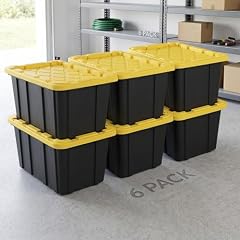
CLMSTE 6 Pack 27 Gallon Heavy Duty Storage Bins with Snap Lids
Keeps your first night essentials organized and protected with a 27-gallon capacity, fitting well within the 20-30 liter range.
How to organize the first night box for easy use
Use a durable box or medium-size plastic bin with a secure lid to keep everything protected and transportable.
Group items by category in smaller bags or pouches inside the box to make finding them fast. For example, a toiletry bag and a clothes bag.
Label each internal pouch clearly and place frequently used or urgent items on top for quick access without unpacking everything.
Plan the box’s location so you know exactly where it is on arrival—near the front door or in the first room you’ll occupy.
If you anticipate arriving late or after dark, include a rechargeable lantern or battery-operated candles to create a safer and more comfortable environment without relying solely on a flashlight.
For easier organization, use color-coded bags or labels—for example, blue for toiletries, red for tools, yellow for documents. This visual cue speeds up identification and retrieval in a hurry.
- Choose a sturdy container about 18-24 inches wide and deep enough for items.
- Divide items into pouches or small bags: hygiene, clothes, tools, documents.
- Label each pouch with a marker or tags.
- Arrange pouches in the box with priority items on top.
- Seal the box and mark it clearly as 'First Night Essentials'.
- Keep the box in your vehicle or last on the moving truck for easy retrieval.
Why these items matter for comfort and safety on first night
Basic hygiene items prevent discomfort from skipping showers or brushing teeth after a long day moving.
Clean clothes and bedding promote rest and recovery, essential after physical strain.
Tools and a flashlight ensure you can navigate safely in a new environment where not everything may be set up.
Having important documents accessible prevents unnecessary stress during check-in or emergencies.
Non-perishable snacks and water cover hunger and dehydration without needing to unpack kitchen supplies immediately.
The psychological comfort of having familiar items like a favorite blanket or pillowcase in the first night box can make a significant difference in reducing anxiety and promoting restful sleep.
Safety concerns extend beyond lighting and tools. Including a small fire extinguisher or smoke detector batteries can provide peace of mind, especially if the new home’s safety equipment requires setup.
Common mistakes when preparing a first night box
One mistake is underestimating the box size—too small means omitting needed items, too large becomes cumbersome.
Some forget to include tools, which can cause delays opening boxes or setting up essentials.
Putting the box deep in the moving truck or stacked under heavy items makes it hard to find quickly.
Another error is not considering weather: packing only summer clothes when moving in cold months creates discomfort.
Forgetting to include chargers or power adapters leaves you without device access at a critical time.
Failing to test items before packing, such as checking flashlight batteries or tool condition, can lead to non-functional essentials when needed most. Always verify readiness beforehand.
Another common oversight is neglecting to include reusable bags or trash bins for immediate waste disposal, which helps keep the new space tidy during initial chaos.
- Box size too small or too big
- No basic tools included
- Box buried in truck or storage
- Inappropriate clothing for the season
- Leaving out chargers or power adapters
What to pack in a first night box for moving into a new home
The first night box list centers on immediate needs for survival, comfort, and safety. Essentials cover hygiene, rest, nutrition, tools, and paperwork.
Pack 5-7 toiletry items including toothbrush, soap, and deodorant. Include 1-2 sets of weather-appropriate clothes, bedding like pillow and blanket, and snacks.
A small flashlight with batteries, basic tools like box cutter and screwdriver, and all important documents fit in the box.
This collection lets you settle the first night without scrambling through unpacking, avoiding frustration and fatigue.
| Category | Item examples | Purpose | Quantity |
|---|---|---|---|
| Toiletries | Toothbrush, soap, deodorant | Hygiene | 5-7 items |
| Clothing | T-shirts, underwear, socks | Comfort and warmth | 1-2 changes |
| Bedding | Blanket, pillowcase | Rest and warmth | 1 set |
| Food & Drink | Non-perishable snacks, bottled water | Nutrition and hydration | Small supply |
| Tools | Flashlight, box cutter, screwdriver | Safety and setup | 3-5 items |
| Documents | IDs, lease, keys | Access and safety | Copies |
Questions people still ask
Can I use a suitcase or duffel bag instead of a box?
Yes, as long as it is sturdy and easy to carry, a suitcase or duffel bag works. The key is easy access and organization.
Should I include cleaning supplies in the first night box?
Only minimal supplies like disinfectant wipes or paper towels might help. Heavy cleaning tools should stay packed until later.
How many changes of clothes should I pack for the first night?
One or two changes are usually enough, chosen based on weather and your planned activities immediately after moving.
Is it worth including electronic chargers in the first night box?
Yes, chargers for phones or essential devices are crucial to stay connected and avoid stress.
When should I prepare the first night box?
Prepare it at least a few days before moving to avoid last-minute panic and ensure you don’t forget essentials.