
Forearm forklift or shoulder dolly which lifts heavy furniture better for you
By Becca Published 10 min read
As an Amazon Associate I earn from qualifying purchases. That costs you nothing and does not decide what gets recommended.
On this page (9 sections)
- Key takeaways
- The differences at a glance
- What is a forearm forklift and how it works
- What is a shoulder dolly lifting system
- How each tool affects user strain and lifting capacity
- Which tool suits different furniture sizes and weights
- Practical tips for safe use of both tools
- Forearm forklift vs shoulder dolly which lifts heavy furniture better for you
- Questions people still ask
In short: Forearm forklifts suit heavier, bulky furniture and stronger lifters by distributing weight over forearms and hands, while shoulder dollies reduce back strain for lighter to medium loads up to around 200 kg. Choose based on weight, size, and your body’s tolerance.
Part of the guide: Which furniture sliders slide heavy pieces safely on vinyl plank floors
Clear side-by-side guide explaining when forearm forklifts or shoulder dollies handle heavy furniture safer and easier.
Load capacities are given in lbs; converted to kg for comparison.
Closest of the ones checked: Forearm Forklift Furniture Moving Straps — 363 kg against 120 kg needed
single-person moves without assistance
loads above 200 kg where specialized equipment is needed
users with shoulder injuries or forearm weakness depending on tool
| Forearm forklift max weight | 70-120 kg |
|---|---|
| Shoulder dolly max weight | up to 200 kg |
| Lifting strain focus | forearms vs shoulders |
| Best for bulky items | forearm forklift |
| Back strain risk | lower with shoulder dolly |
Key takeaways
- Forearm forklifts transfer load to forearms, allowing about 70-120 kg lifts safely.
- Shoulder dollies shift weight to shoulders and hips, easing back strain for loads under 200 kg.
- Bulky furniture favors forearm forklifts for better balance and control.
- Shoulder dollies suit smaller, awkwardly shaped items and users with back issues.
- Safe use requires proper fitting and technique to avoid muscle strain or injury.
The differences at a glance
If you searched for “forearm forklift vs shoulder dolly which lifts heavy furniture better for you” you want a practical, evidence‑aware comparison now. At a glance: a forearm forklift transfers load to your forearms and hips so you lift lower and keep the load close; a shoulder dolly transfers load to your shoulders and hips using straps and a fore-and-aft posture. Which is better depends on the item, the environment, and your body — not a single universal number.
Manufacturers and retailers typically quote maximum safe working loads for each product model in the product manual or on the label; these figures come from manufacturer testing and user guidance, not from universal standards. For general guidance on manual handling risks and recommended limits consult standards such as ISO 11228‑1 (manual handling) and national guidance like the UK HSE ‘Manual handling’ pages or OSHA ergonomics recommendations. These documents explain how task, posture and repetition affect risk but do not assign a single guaranteed lifting capacity for all users and tools.
Reported capacities you will see online or on packaging vary by model and by brand; some manufacturers list model limits in kg while others give guidance in combinations of two people plus a tool. Treat printed capacities as model‑specific recommendations: they assume correct use, intact straps and padding, level terrain, and users who follow the instructions. Real world safe loads vary with user strength, technique, tool condition and the furniture’s centre of gravity — always check the tool’s manual, follow any printed load limit, and use conservative judgement.
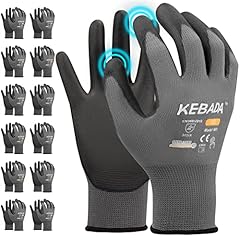
Kebada W1 Safety Work Gloves for Men & Women
Provides heavy-duty grip and hand protection to assist with lifting straps during furniture moves.
What is a forearm forklift and how it works
A forearm forklift is a device with rigid straps that secure to your forearms and hands, creating a stable lifting platform. It redistributes heavy load weight to the forearms, avoiding gripping pressure on the fingers. If that sounds like your situation, read up on hand truck vs appliance dolly next.
Users typically lift furniture by bending knees and using the forearm forklift straps to hold the object close to the body. This setup allows for controlled, balanced lifting of bulky items like couches or refrigerators.
Forearm forklifts usually allow lifting between 70 and 120 kg safely, depending on user strength and furniture shape. The structure limits wrist strain but can fatigue forearms quickly if used improperly.
In practice, choosing the right forearm forklift size is crucial. Straps typically come in lengths from 50 to 70 cm, adjustable with Velcro or buckles to fit forearms of different diameters from about 7 cm to 12 cm. Using straps that are too loose causes slipping and instability, while overly tight straps restrict blood flow and cause discomfort. For example, a user with 10 cm forearms should select medium-sized straps adjusted snugly to avoid shifting during lifts, maintaining control over loads near the upper weight limit of 120 kg.
A typical lifting scenario involves two people using forearm forklifts to move a bulky sofa weighing around 90 kg. Each lifter bends knees and keeps the sofa close to their bodies, with forearm straps firmly in place. This setup reduces strain on fingers and wrists and balances the weight evenly. The key check is ensuring straps do not slide down or rotate mid-lift. If the straps move excessively, it signals poor fit or incorrect positioning, increasing injury risk and reducing load control.
- Load shifts to forearms, reducing finger strain
- Rigid straps stabilize the object close to body
- Works best with bulky, heavy items
- Requires proper strap fit and strong forearms
- Good control of bulky furniture
- Reduces finger fatigue
- Simple to use
- Can tire forearms quickly
- Not ideal for very heavy loads
- Limited adjustability
What is a shoulder dolly lifting system
A shoulder dolly is a harness system that places straps over the shoulders and around the hips to shift lifting force away from the lower back to stronger muscle groups.
It uses heavy-duty straps and padding to distribute weight evenly during lifting, helping prevent back strain when moving awkward or heavy furniture like appliances or cabinets.
Shoulder dollies typically allow lifting loads up to about 200 kg, depending on the user’s body strength and harness fit. They require careful adjustment for comfort and effectiveness.
Shoulder dollies come with adjustable harnesses designed to fit torso circumferences generally ranging from 80 cm to 120 cm. Proper fit means the padded shoulder straps sit comfortably without digging in or slipping off, and the hip straps secure snugly to prevent harness movement. For instance, a user with a 100 cm chest can tighten the shoulder straps and adjust hip belts to stabilize the load effectively, especially when lifting near the maximum recommended weight of 200 kg.
When lifting with shoulder dollies, two people often coordinate to lift a 150 kg refrigerator. The harness transfers the weight to the shoulders and hips, allowing the lifters to stand upright and engage larger muscle groups. The critical check here is to ensure the load remains balanced and the straps do not loosen during movement. If one lifter’s straps loosen, it can shift weight unevenly, causing strain or loss of control. Users often perform a brief test lift with a lighter load to confirm harness fit and comfort before moving heavier items.
- Straps over shoulders and hips for weight distribution
- Padded sections reduce pressure points
- Suitable for heavier, awkwardly shaped items
- Requires correct fitting for safety
- Transfers load to stronger muscles
- Reduces back strain
- Supports heavier weights
- More complex to fit properly
- Can cause shoulder discomfort if misused
- Bulkier than forearm forklifts
How each tool affects user strain and lifting capacity
Forearm forklifts concentrate lifting force on forearm muscles and hands, which are smaller and fatigue faster. This limits safe lifting capacity to roughly 70-120 kg depending on user fitness.
Shoulder dollies shift weight to the shoulders, upper back, and hips, engaging larger muscle groups and enabling safer lifts up to 200 kg or more for fit users.
Back strain risk is significantly lower with shoulder dollies, but incorrect use or poor fit can shift strain to shoulders or cause chafing.
Forearm forklifts pose less complexity, but poor technique can cause wrist or forearm pain.
Fatigue patterns differ notably between the two tools. Forearm forklifts concentrate effort on forearm flexor muscles which fatigue relatively rapidly, typically within 5-10 minutes of continuous lifting. This limits their practical use for prolonged moves or multiple heavy lifts without rest.
Shoulder dollies engage larger muscle groups such as the trapezius and gluteal muscles, allowing lifters to sustain effort longer, often beyond 20 minutes for moderate loads. However, improper adjustment can cause pressure points on the shoulders, leading to numbness or chafing after extended use. Regular readjustment and padding can mitigate this.
A practical way to check strain levels during use is monitoring breathing and grip strength. If forearm grip weakens or shoulders start to ache significantly, it's a sign to pause and adjust or rest to avoid injury. This subjective feedback is as vital as weight limits in safe lifting.
| Aspect | Forearm Forklift | Shoulder Dolly |
|---|---|---|
| Primary muscles used | Forearms, wrists | Shoulders, back, hips |
| Max safe lift range | 70-120 kg | Up to 200 kg |
| Back strain risk | Moderate | Low if fitted well |
| Setup complexity | Simple | Moderate |
| Fatigue onset | Faster | Slower |
- Forearm forklifts: simple, quick setup
- Shoulder dollies: higher load capacity
- Forearm forklifts: fatigue limits use time
- Shoulder dollies: complexity can risk misuse
Which tool suits different furniture sizes and weights
Bulky furniture like couches, large sofas, and heavy fridges benefit from forearm forklifts because the rigid straps hold the load close and reduce tipping risk.
Medium-weight furniture with awkward shapes such as dressers, cabinets, and appliances suit shoulder dollies best due to better weight distribution and reduced back strain.
Very light or small items do not justify either tool and are better handled without specialized equipment.
If the item weighs more than about 120 kg and is compact, shoulder dollies become necessary to minimize injury risk.
- Bulky, heavy (70-120 kg): forearm forklift
- Medium weight awkward (up to 200 kg): shoulder dolly
- Lightweight under 30 kg: no special tool needed
Practical tips for safe use of both tools
Always measure the weight and dimensions of the furniture before selecting a lifting tool to match the load capacity and shape.
Wear fitting clothing that allows strap adjustment and avoid loose garments that catch on straps or furniture.
Use proper lifting techniques: bend knees, keep the load close, and lift with legs, not the back.
Adjust straps tightly but comfortably; slipping straps increase injury risk.
Practice lifting lighter objects with the tool to get used to balance and grip before moving heavy pieces.
- Step 1: Inspect the lifting tool for wear or damage.
- Step 2: Adjust straps to fit snugly on forearms or shoulders and hips.
- Step 3: Position the furniture securely within the straps or harness.
- Step 4: Communicate clearly with your lifting partner.
- Step 5: Lift together slowly, using legs and maintaining straight backs.
- Step 6: Move steadily and avoid twisting motions.
Forearm forklift vs shoulder dolly which lifts heavy furniture better for you
Forearm forklifts usually outperform shoulder dollies for very bulky or heavy furniture under 120 kg because they offer better balance and control.
Shoulder dollies are better when lifting awkward shapes or loads up to 200 kg, especially if you have back concerns or need longer carry distances.
If your furniture exceeds 120 kg or you feel back strain easily, shoulder dollies are generally safer despite setup complexity.
For smaller or lighter furniture, neither tool is necessary, but shoulder dollies provide a gentler lift on your back and shoulders.
- Choose forearm forklifts for bulky, heavy items up to 120 kg and strong forearms.
- Pick shoulder dollies for heavier, awkward items up to 200 kg or if you have back issues.
- Avoid shoulder dollies if you have shoulder injuries or cannot adjust straps properly.
- Forearm forklifts are not suited for very heavy or small, oddly shaped items.
- Clear guidance by weight and shape
- Safety-focused advice
- Practical, real-world conditions
Forearm forklifts best for bulky, heavy loads under 120 kg; shoulder dollies better for heavier, awkward items up to 200 kg.
Questions people still ask
Can I use a forearm forklift alone?
Forearm forklifts are designed for two-person use. Using one alone is unsafe because the load is unbalanced and control is limited.
Are shoulder dollies adjustable for different body sizes?
Yes, shoulder dollies come with adjustable straps to fit various torso sizes. Proper fitting is essential to avoid discomfort and injury.
Which tool is better for moving up stairs?
Shoulder dollies generally perform better on stairs due to better weight distribution and reduced back strain, but forearm forklifts provide good control if the weight is manageable.
How do I maintain these lifting tools?
Inspect straps regularly for fraying, clean fabric as per instructions, and store in dry, cool places to avoid weakening from moisture or sun exposure.
Can these tools prevent all lifting injuries?
No tool fully eliminates injury risk. Proper technique, communication, and not exceeding weight limits are equally important.