
Which belongings fit when moving from a large to a smaller home
By Becca Published 8 min read
As an Amazon Associate I earn from qualifying purchases. That costs you nothing and does not decide what gets recommended.
On this page (8 sections)
In short: When moving from a large to a smaller home, carefully select belongings by measuring your new space, prioritizing essentials and sentimental items, downsizing bulky furniture, and using efficient packing and storage solutions to fit fewer items comfortably.
Part of our guide on ensuring smooth moving day
| Essential items kept | 40-60% of original |
|---|---|
| Furniture downsized | Often 50-70% smaller |
| Packing volume reduced | 30-50% less space |
| Storage use | Optional for overflow |
| Moving cost impact | Lower with fewer items |
Key takeaways
- Measure new home’s key spaces before deciding what to keep.
- Prioritize items by usage frequency and sentimental value.
- Downsize large furniture and appliances to fit smaller rooms.
- Use compact packing methods and consider long-term storage.
- Plan cost-saving moves by minimizing volume and weight.
How to decide what to keep or discard
Start by measuring key rooms and storage in your new home, especially closets, kitchen cabinets, and living areas, to know exactly how much space you’ll have for belongings.
Sort belongings into categories: daily essentials, occasional use, sentimental items, and unwanted items. Keep about 40-60% of what you own, depending on your space, lifestyle, and emotional attachment.
Apply the ‘one-year rule’: discard or donate items unused in the last year unless they hold crucial sentimental value or seasonal necessity.
Be realistic: bulky items with no clear place in the smaller home usually need to go. Prioritize multi-functional or space-saving pieces. We cover handling long-distance moves in its own article.
Consider the impact of lifestyle changes on what to keep. For example, if you plan to entertain less frequently in your smaller home, large sets of dishware or multiple dining chairs may no longer be necessary, even if you previously valued them. This helps avoid clutter and keeps belongings relevant to your current needs.
Check storage dimensions carefully, including depth and height, not just floor space. For instance, a closet might have enough floor space for boxes but insufficient height for tall items. Measuring these dimensions ensures that items you keep will actually fit without being crushed or wasted space.
- Measure new space– know exact storage limits
- Sort items by frequency of use and importance
- Apply one-year rule for discarding
- Prioritize versatile, compact belongings
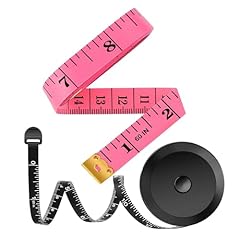
iBayam 2 Pack Tape Measure Measuring Tape for Body Fabric Sewing 60"/150cm
Helps with precise body and fabric measurements with 1.6 m length but lacks stated accuracy to 1/8 inch or 1 mm
Downsizing furniture and appliances
Large sofas, beds, and appliances often do not fit or overwhelm smaller homes. Choose pieces roughly 50-70% the size of those in your previous home. It helps to understand what to get rid of when moving before going further.
Consider multifunctional furniture such as sofa beds, nesting tables, or storage ottomans to maximize utility in small areas.
Appliances like refrigerators or washers should be scaled down but still meet your household’s needs. Compact models can save up to 30-50% floor space but check capacity carefully.
Sell or donate oversized furniture and appliances you cannot repurpose or fit. Measure all new and kept items to guarantee fit. We go through office relocation tasks for staff step by step elsewhere on the site.
Think about the scale of appliances in relation to your household size and routine. A compact refrigerator might save 40% of floor space but could be insufficient for a family of four, requiring frequent shopping trips. Balancing size reduction with functionality prevents inconvenience after the move.
An example: If your previous sofa was 84 inches wide, choosing a sofa about 50-60 inches wide will better suit a smaller living room without overwhelming it. Measure the intended spot in your new home and compare with the exact sofa dimensions before buying or moving it.
- Downsize furniture by half or more in size
- Choose multifunctional pieces to save space
- Switch to compact but functional appliances
- Measure all items for suitability
| Item | Typical large size | Downsized size | Space saved |
|---|---|---|---|
| Sofa | 84-96 inches | 48-60 inches | 40-50% |
| Bed (Queen) | 60×80 inches | 48×75 inches (Full) | 25-40% |
| Refrigerator | 30-36 inches wide | 24-28 inches wide | 30-40% |
| Washing machine | 27-29 inches wide | 24-27 inches wide | 10-15% |
Packing and storage tips for fewer items
With fewer belongings, focus on packing efficiently to protect fragile or awkward items while saving space.
Use smaller, sturdy boxes and quality packing materials like bubble wrap and packing paper. Avoid overpacking to prevent box damage.
Label boxes clearly by room and contents to simplify unpacking in limited space.
Consider renting a small storage unit if you have seasonal or rarely used items that won’t fit comfortably in your smaller home.
Keep an inventory list to track what is in storage and what’s coming into your new home.
When packing fewer items, group similar belongings to optimize box space while minimizing wasted gaps. For example, pack kitchen utensils with towels as cushioning to save space and protect fragile items simultaneously.
Use vacuum-seal bags for compressible items like bedding and clothing, which can reduce volume by up to 70%. This method helps fit more into fewer boxes and storage areas, especially useful when downsizing wardrobes or linens.
- Use smaller, durable boxes and packing materials
- Label boxes by room and contents
- Avoid overpacking boxes to prevent damage
- Rent storage units for overflow belongings
- Keep an inventory list for storage items
Adapting to less space after the move
Expect an adjustment period when living with fewer belongings and less floor space. Use vertical storage like shelves and wall hooks to maximize usable area.
Keep only what you use regularly accessible; store other items out of sight to reduce clutter.
Plan furniture placement to preserve walking space and natural light.
Practice regular decluttering to maintain order and prevent small spaces from feeling cramped.
Use multi-purpose rooms and foldable or stackable furniture to adapt spaces based on current needs.
A check to confirm successful adaptation is whether you can walk freely through main rooms with no obstacles blocking natural light or pathways. If the space feels cramped, reassess furniture placement or consider removing additional items.
Physical markers such as a clear dining table or visible floor in the living area indicate effective use of space. Conversely, visible clutter or restricted movements suggest further downsizing or storage solutions are needed.
- Use vertical storage solutions
- Keep regular use items accessible
- Plan layout for open walking paths
- Declutter regularly to avoid buildup
- Employ flexible, multi-use furniture
Cost-saving moving strategies for smaller homes
Smaller moves usually cost less due to reduced volume and weight, but plan carefully to avoid last-minute expenses.
Sell or donate items not fitting the new home to reduce moving weight and potentially offset moving costs.
Compare quotes from multiple movers and consider moving only large items professionally, while packing and transporting small items yourself.
Use quality, reusable packing supplies to cut costs over time.
Plan your move in off-peak seasons when mover rates are typically lower.
- Reduce volume and weight by decluttering
- Sell or donate unwanted items
- Get multiple moving quotes
- Handle small items yourself if possible
- Use reusable packing materials
- Schedule move off-season for savings
Moving to a smaller home tips
Moving to a smaller home demands intentional planning, starting with knowing exactly what fits and why. Measure your new space to guide all decisions.
Declutter with clear rules, like the one-year no-use rule, and focus on essentials and meaningful items.
Downsize furniture and appliances smartly, choosing compact, multi-use pieces and verifying they fit through exact measurements.
Pack with care using smaller boxes and consider storage units for overflow, keeping an up-to-date inventory.
After moving, adapt by using vertical storage, flexible furniture, and maintaining open spaces to make smaller living comfortable.
- Measure rooms and storage spaces of the smaller home precisely.
- Sort belongings into keep, donate, and discard piles using usage and sentimental value criteria.
- Downsize furniture and appliances by choosing smaller, multi-purpose pieces.
- Pack efficiently with quality materials and label all boxes clearly.
- Arrange the new home using vertical storage and flexible furniture.
- Maintain clutter control with regular reviews and remove unnecessary items.
Questions people still ask
How do I decide which sentimental items to keep when downsizing?
Keep sentimental items that fit your new space and contribute positively to your lifestyle. Limit to items that evoke strong memories and can be stored without cluttering. Consider photographing others before discarding.
What if my large furniture doesn’t fit or suit the smaller home layout?
Measure carefully before moving. If it won’t fit or impedes flow, sell or donate it. Replace with scaled-down, multifunctional furniture designed for small spaces.
Can I use a storage unit temporarily during the downsizing process?
Yes, a storage unit can hold seasonal, bulky, or infrequently used items you cannot fit immediately. Keep an inventory and plan to avoid long-term unnecessary costs.
How can I reduce moving costs when moving into a smaller home?
Downsize belongings to reduce volume and weight, get multiple mover quotes, pack yourself when possible, schedule moves off-peak, and use reusable packing materials.
What packing supplies are best for protecting fragile items in a smaller move?
Use smaller, sturdy boxes with bubble wrap or packing paper. Avoid overpacking and label boxes clearly to avoid damage and simplify unpacking.