
How to store a leather couch in a storage unit without damage
By Becca Published 7 min read
As an Amazon Associate I earn from qualifying purchases. That costs you nothing and does not decide what gets recommended.
On this page (8 sections)
- Key takeaways
- How to prepare a leather couch for storage
- Best materials to cover and protect leather in storage
- Storage unit conditions that affect leather furniture
- How to prevent mold, cracks, and warping during storage
- How to store a leather couch in storage unit
- Common mistakes when storing leather couches
- Questions people still ask
In short: To store a leather couch in a storage unit without damage, clean and condition it, cover it with breathable materials, avoid plastic wrap, choose a climate-controlled unit maintaining roughly 50-70% humidity and 60-75°F temperature, and position it off the floor to prevent moisture and warping.
Part of our guide on battery operated dehumidifier for storage unit
Protect your leather couch from mold, cracks, and warping by storing it in the right environment with the proper preparation and coverings.
| Ideal humidity | 50-70% RH |
|---|---|
| Ideal temperature | 60-75°F |
| Condition leather | Before storage |
| Cover type | Breathable fabric |
| Elevate couch | Off floor on pallets |
| Check frequency | Monthly inspections |
Key takeaways
- Always clean and condition leather before storage to maintain suppleness.
- Cover leather with breathable cotton or linen sheets, not plastic, to avoid moisture buildup.
- Use a climate-controlled storage unit with stable 50-70% humidity and 60-75°F temperature.
- Place the couch on pallets or blocks to keep it off the floor and avoid moisture damage.
- Check the storage unit regularly to detect early signs of mold or dryness.
How to prepare a leather couch for storage
Start by thoroughly cleaning the leather couch with a leather-specific cleaner to remove dirt and oils. This prevents stains and buildup during storage.
After cleaning, apply a leather conditioner evenly to maintain the leather's flexibility and prevent it from drying out and cracking. Conditioning is critical because leather loses natural oils over time.
Remove any cushions and store them separately if possible, to prevent compression and maintain shape. Check for and repair any scratches or tears before storing.
Ensure the couch is completely dry before moving it into storage to reduce the risk of mold growth. Use soft, dry cloths and allow air drying in a shaded area. People in this spot often ask about storing a piano in a storage unit as well.
If your leather couch has removable legs or detachable parts, disassemble these components to reduce stress on joints and avoid damage during handling and storage. Label each part and keep screws or fittings in a sealed bag to ensure easy reassembly later.
When preparing the couch for storage, consider lightly vacuuming its crevices and seams with a soft brush attachment to remove dust and debris that can accumulate and cause abrasion or discoloration over time. This step complements cleaning and conditioning to fully protect the leather.
Best materials to cover and protect leather in storage
Avoid plastic covers entirely. Plastic traps moisture, creating a humid environment that promotes mold and mildew growth on leather surfaces. If that sounds like your situation, read up on preventing damage during long storage next.
Use breathable fabric covers such as cotton or linen sheets to shield the couch from dust and light while allowing air circulation. This keeps leather dry and prevents mildew.
If you want added protection, place a furniture blanket underneath the breathable cover to cushion against any knocks without compromising airflow.
Avoid using newspaper or cardboard directly on leather as ink and acidity can damage the surface. It helps to understand does insurance cover mold storage before going further.
In colder climates, a breathable cover can also help retain a slight layer of insulation around the leather, reducing the risk of temperature stress that causes cracking. Conversely, in warmer, humid regions, breathable fabrics help dissipate heat and moisture, making them versatile protective options.
For added protection against dust and pests, some people place sheets of acid-free tissue paper between cushions and under covers. This extra layer does not trap moisture but creates a gentle barrier that preserves the leather's surface and prevents scratches during storage.
- Plastic wrap: traps moisture, causes mold.
- Cotton/linen: breathable, prevents mildew.
- Furniture blankets: added cushioning without sealing moisture.
- No direct newspaper/cardboard contact.
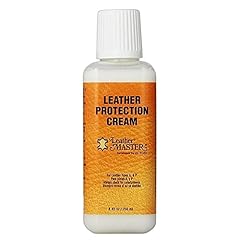
LEATHER MASTER 250ML Leather Protection Cream
Protects leather couch with water-based cream suitable for most leather types
Storage unit conditions that affect leather furniture
Leather is sensitive to fluctuations in humidity and temperature. Excess moisture above 70% relative humidity can cause mold, while below 40% can dry out leather and lead to cracking.
An ideal storage unit maintains humidity between 50-70% and temperature between 60°F and 75°F. These conditions keep leather supple and mold-free.
Climate-controlled storage units provide these stable conditions. Non-climate units often have wide temperature swings and high humidity, exposing leather to damage.
Keep air circulating inside the unit to avoid stagnant air pockets that encourage mildew. Consider using a small battery-operated dehumidifier or moisture absorbers if allowed.
| Condition | Climate-Controlled Unit | Non-Climate Unit |
|---|---|---|
| Temperature Range | 60-75°F stable | Fluctuates widely |
| Humidity Range | 50-70% RH stable | Often above 70% or below 40% |
| Air Circulation | Good airflow encouraged | Poor airflow, stagnant air |
| Risk to Leather | Minimal risk of mold/cracks | High risk of damage |
How to prevent mold, cracks, and warping during storage
Place the leather couch on wooden pallets or blocks to keep it elevated off concrete floors, which commonly harbor moisture that wicks up and damages leather.
Avoid stacking heavy items on the couch or cushions to prevent compression and warping of frames and leather surfaces.
Check the storage unit monthly for mold spots, dryness, or leather stiffness. Early detection lets you air out or apply conditioner as needed.
Use silica gel packs or moisture absorbers inside the unit to control humidity spikes, especially in non-climate units.
Avoid direct sunlight or heat sources inside the storage unit; UV rays and heat dry out leather quickly.
- Place pallets or blocks under couch legs to elevate it off the floor.
- Cover couch with breathable fabric to protect from dust.
- Add moisture absorbers nearby, especially if unit is non-climate controlled.
- Visit unit monthly to inspect the couch condition.
- Apply leather conditioner if leather shows signs of drying.
How to store a leather couch in storage unit
Clean and condition your leather couch thoroughly before storage to maintain its natural oils and flexibility.
Cover the couch with breathable cotton or linen sheets to keep dust out while allowing moisture to escape.
Select a climate-controlled storage unit that keeps humidity between 50-70% and temperature between 60-75°F to prevent mold or drying.
Elevate the couch on wooden pallets to avoid direct contact with concrete floors.
Visit your storage unit every month to check for mold, moisture, or drying signs and recondition the leather if necessary.
Avoid placing the leather couch too close to storage unit walls or other furniture. Leave some space to allow air to circulate freely around the couch, which helps maintain consistent humidity levels and prevents localized damp spots that lead to mold growth.
If the storage unit allows, position a small fan on a low setting to enable gentle air movement around the leather furniture. This airflow reduces the risk of stagnant air pockets and discourages mold spores from settling on the surface.
Before finally covering the couch, perform a quick tactile check for any soft spots or unusual firmness which could indicate unseen moisture damage. Catching these early lets you treat the leather before sealing it in storage.
- Clean and condition leather couch.
- Cover with breathable fabric.
- Rent a climate-controlled storage unit.
- Elevate couch on pallets.
- Inspect monthly for damage.
Common mistakes when storing leather couches
Wrapping the leather couch in plastic or non-breathable materials causes trapped moisture, leading to mold and mildew.
Ignoring humidity control in the storage unit results in either leather drying and cracking (too dry) or mold growth (too moist).
Placing heavy items on the couch compresses cushions and frame, causing warping and permanent damage.
Neglecting to condition the leather before storage causes loss of natural oils, making it brittle and prone to cracks.
Storing the couch directly on concrete floors exposes it to moisture seepage.
| Mistake | Consequence | Correct Practice |
|---|---|---|
| Plastic wrapping | Mold growth | Use breathable cotton covers |
| No humidity control | Cracks/mold | Climate-controlled unit with stable humidity |
| Stacking heavy items | Warping | Store couch uncompressed |
| No conditioning | Dry, brittle leather | Apply leather conditioner before storage |
| On concrete floor | Moisture damage | Elevate on pallets |
Questions people still ask
Can I store a leather couch in a non-climate-controlled storage unit?
Storing a leather couch in a non-climate-controlled unit risks damage due to fluctuating humidity and temperature. Mold and cracks are common. If unavoidable, use moisture absorbers and inspect frequently.
Is it okay to use plastic wrap on a leather couch for storage?
No, plastic wrap traps moisture next to the leather, promoting mold and mildew. Always use breathable covers like cotton or linen.
How often should I check my leather couch in storage?
Check your couch at least monthly to spot signs of mold, dryness, or warping early and to recondition leather if needed.
What temperature and humidity are best for storing leather furniture?
Keep storage unit temperature between 60-75°F and humidity between 50-70% to protect leather from cracking or mold.
Should cushions be removed from a leather couch before storage?
Yes, removing cushions prevents compression damage and allows better air circulation around each part.