
When to rent a U-Haul truck or trailer for your moving needs
By Becca Published 7 min read
As an Amazon Associate I earn from qualifying purchases. That costs you nothing and does not decide what gets recommended.
On this page (10 sections)
- Key takeaways
- The differences at a glance
- What is a U-Haul trailer
- How U-Haul truck and trailer rentals differ
- Cost comparison of U-Haul trucks vs trailers
- Typical use cases for trucks vs trailers
- Driving and loading considerations
- Can you tow a car with a U-Haul trailer or truck
- Which should you buy
- Questions people still ask
In short: Choose a U-Haul truck if you want an all-in-one moving vehicle for loads up to 26 feet and easier driving. Pick a trailer if you own a capable towing vehicle and need to save money on smaller or multiple loads.
Part of our guide on what size moving truck for 2 bedroom apartment
Understand clearly when a U-Haul truck or trailer fits your move better by comparing load size, cost, and driving demands.
| Truck max length | 10-26 feet |
|---|---|
| Trailer max length | 6-16 feet |
| Typical truck load | 1-2 bedroom |
| Typical trailer load | 0.5-1 bedroom |
| Tow vehicle needed | Trailer only |
| Cost comparison | Trailer cheaper |
| Driving difficulty | Truck easier |
Key takeaways
- U-Haul trucks handle larger moves with built-in driving controls.
- Trailers cost less but require a towing vehicle with proper capacity.
- Driving a truck is simpler than towing a trailer, especially over long distances.
- Trailers provide flexible load sizes but demand experience and proper hitch equipment.
- Consider your vehicle, comfort with towing, and move size to decide.
The differences at a glance
U-Haul trucks are self-contained moving vehicles with engines, wheels, and enclosed cargo space. They range from 10 to 26 feet in length, accommodating from small studio loads up to 2-3 bedroom homes.
Trailers attach behind your vehicle and come in open or enclosed options, ranging from 6 to 16 feet long. You must have a truck or SUV capable of towing and a hitch that meets U-Haul’s requirements.
The main differences lie in driving complexity, cost, and the need for an appropriate tow vehicle.
To help you compare, here is a table outlining key attributes of U-Haul truck and trailer rentals. We cover comparing container and truck rentals in its own article.
| Feature | U-Haul Truck | U-Haul Trailer |
|---|---|---|
| Vehicle Type | Self-powered enclosed truck | Tow-behind vehicle trailer |
| Length Options | 10 to 26 feet | 6 to 16 feet |
| Typical Load Capacity | Up to 3 bedrooms | Up to 1.5 bedrooms |
| Tow Vehicle Required | No | Yes, must meet weight & hitch specs |
| Driving Complexity | Simpler, truck steering & brakes | Harder, requires towing skills |
| Cost | Higher daily & mileage fees | Lower rental fees, plus tow vehicle cost |
| Insurance | Generally included with rental | May require additional coverage |
What is a U-Haul trailer
A U-Haul trailer is a non-powered cargo compartment that you attach to your own vehicle with a hitch. They come in various sizes, from small utility trailers to enclosed cargo trailers with ramps.
Trailers require your vehicle to have sufficient towing capacity and a properly rated hitch system, including safety chains and electrical plugs for brake and signal lights.
U-Haul trailers are designed for moving smaller household loads or supplemental cargo alongside a truck or large SUV. There is more on selecting the best container for long moves in a separate guide.
You must check your vehicle’s owner manual for towing limits; exceeding rated towing capacity risks damage and unsafe handling.
How U-Haul truck and trailer rentals differ
U-Haul trucks are complete moving vehicles with engine, cab, and cargo area. You drive them like a large van or box truck. They include controls for steering, braking, and engine power.
Trailers rely entirely on the towing vehicle’s controls. You do not drive the trailer independently; you must steer and brake the entire rig carefully. Before you commit to anything, it is worth looking at evaluating time and cost for car move.
Loading differs as well: trucks have enclosed cargo areas with tie-down points and ramps, whereas trailers—especially open ones—may expose cargo to weather and require extra securing.
Trucks have an advantage for those unfamiliar with towing because the driving experience is more straightforward and predictable.
Trailers offer more flexibility in load size and can be a cost saver if you already have a suitable tow vehicle. We cover best truck for 10×10 storage unit move in its own article.
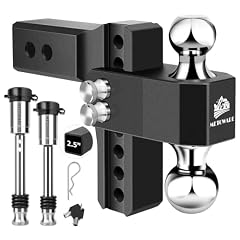
METOWARE 2.5'' Aluminum Adjustable Trailer Hitch
Supports towing trailers up to 18,000 lbs, matching heavy-duty trailer requirements.
Cost comparison of U-Haul trucks vs trailers
U-Haul trucks generally cost more per day and per mile compared to trailers. The price difference depends heavily on the size of the truck or trailer rented and your rental duration and distance.
For example, smaller trailers might cost less than half the daily rental fee of a 15-foot truck, but you must add the cost and fuel consumption of your tow vehicle.
Trucks include insurance and roadside assistance in their base rental, while trailers may require additional coverage from your vehicle insurance or U-Haul.
Cost-efficiency for trailers improves when you already own a capable tow vehicle and can handle loading and driving safely.
| Cost Factor | Truck | Trailer |
|---|---|---|
| Daily Rental Fee | Higher (varies by size) | Lower |
| Mileage Fees | Charged per mile | Charged per mile |
| Tow Vehicle Fuel Consumption | Included | Added |
| Insurance | Usually included | May be extra |
| Additional Equipment Rentals | Dollies, blankets optional | Hitches, wiring mandatory |
Typical use cases for trucks vs trailers
Choose a U-Haul truck when you have a medium to large move, such as a 1-3 bedroom home, prefer simple driving, or lack a vehicle capable of towing.
Trailers suit smaller moves, such as studio or 1-bedroom loads, supplemental cargo, or when you already own a truck or SUV with towing capacity.
If your move involves narrow or urban streets, a truck’s enclosed and maneuverable design may be preferable.
Trailers can be disconnected at the destination if you need to return the rental vehicle separately, offering flexibility.
Moving a car requires different equipment; some trailers can tow a car, but trucks cannot do so without a separate car carrier.
Driving and loading considerations
Driving a U-Haul truck requires adjusting to a taller, longer vehicle but remains similar to driving a large van. Braking and steering use the truck’s controls.
Towing a trailer adds complexity: you must manage sway, wider turning radius, and longer stopping distances. Experience with towing or practice is important.
Loading a truck is straightforward with built-in ramps and tie-downs; trailers may require more effort securing loads, especially open ones exposed to weather.
Weight limits matter: trucks have maximum cargo weight, while trailers depend on your tow vehicle’s tongue weight and towing capacity.
Drivers towing trailers must install a hitch rated for the trailer’s weight and ensure trailer brakes and lights connect properly.
Can you tow a car with a U-Haul trailer or truck
U-Haul trucks cannot tow a car unless you rent a special car carrier trailer designed for that purpose.
Some U-Haul trailers are specifically made for towing cars; they include flatbed car trailers or tow dollies.
You must verify your tow vehicle can safely pull the car trailer load and that the trailer matches the car’s size and weight.
Renting a car trailer requires additional considerations like securing the vehicle properly and operating the rig with the car attached.
If your move involves transporting a vehicle, plan for a dedicated car-hauling trailer rather than relying on a moving truck or cargo trailer.
Which should you buy
- You should rent a U-Haul truck if you want an easier driving experience and have a medium to large load without a tow vehicle.
- A trailer rental fits better if you own a truck/SUV with sufficient towing capacity and want to lower rental costs for smaller loads.
- Opt for a truck if this is your first time moving or driving large vehicles to minimize risk.
- Trailers are best for supplemental hauling or flexible unloading scenarios where the tow vehicle can detach and leave the trailer safely.
- Avoid trailers if you feel uncomfortable towing or your vehicle lacks the correct hitch and wiring.
Questions people still ask
How do I know if my vehicle can tow a U-Haul trailer?
Check your vehicle’s owner manual or door jamb sticker for maximum towing capacity and tongue weight. Compare these to the trailer’s loaded weight, and ensure you have a hitch rated for that load with proper wiring and safety chains.
What size U-Haul trailer do I need for a one-bedroom move?
Typically, a 6- or 12-foot trailer accommodates a one-bedroom apartment. Consider volume and weight of your belongings, and choose enclosed trailers to protect fragile items.
Can I drive a U-Haul truck with a regular driver’s license?
Yes, in most states, a standard driver’s license covers driving U-Haul trucks under 26,000 lbs GVWR. Check your local DMV for specific restrictions.
How does weather affect towing a U-Haul trailer?
Adverse weather like wind, rain, or ice increases the difficulty of towing. Trailers are more prone to sway, so reduce speed, increase following distance, and double-check load security.
Do U-Haul trailers come with brakes?
Enclosed trailers over 3,000 lbs typically include electric brakes requiring compatibility with your tow vehicle’s brake controller. Smaller or open trailers may rely on the tow vehicle’s brakes alone.