
What size storage unit fits a standard washer and dryer side by side
By Becca Published 7 min read
As an Amazon Associate I earn from qualifying purchases. That costs you nothing and does not decide what gets recommended.
On this page (8 sections)
- Key takeaways
- Standard washer and dryer dimensions
- Space needed for side-by-side washer and dryer
- Space needed for stacked washer and dryer
- Minimum storage unit sizes that fit washers and dryers
- How to prepare washers and dryers for storage
- What size storage unit for washer and dryer — precise fitting advice
- Questions people still ask
In short: A minimum storage unit of 5 feet wide by 3 feet deep and at least 6 feet high fits a standard washer and dryer side by side. For stacked units, a smaller 3×3 feet footprint with 7-foot height suffices. Dimensions depend on your specific appliances.
Part of our guide on battery dehumidifier capacity needed
Determine the exact storage unit size to fit your washer and dryer side by side or stacked without wasting space or risking damage.
| Washer width | 27-30 inches |
|---|---|
| Dryer width | 27-30 inches |
| Depth each | 30-34 inches |
| Min side-by-side unit | 5×3 feet |
| Min stacked unit | 3×3 feet |
| Height clearance | 6-7 feet |
Key takeaways
- Standard washers and dryers average 27-30 inches wide and 30-34 inches deep.
- Side-by-side arrangement needs minimum 5×3 feet floor space with clearance for ventilation.
- Stacked units require less floor space but need 7 feet height clearance.
- Measure your appliances before renting a unit to avoid fitting issues.
- A 5×5 feet unit provides extra space for maneuvering and protecting appliances.
Standard washer and dryer dimensions
Typical residential washers and dryers measure between 27 and 30 inches wide each, with depths ranging from 30 to 34 inches depending on the model.
Height for each appliance usually falls between 36 and 43 inches, varying by front-load or top-load design.
These dimensions influence how much floor space you need when storing them side by side or stacked.
Check your specific appliance manuals or measure directly, as compact or oversized models may differ significantly. There is more on storing a mattress in a storage unit in a separate guide.
Different models and brands can vary in dimensions by a few inches, so it is useful to have a range rather than a fixed number. For example, while many washers are 27 inches wide, some compact units may be as narrow as 24 inches, and some larger capacity models reach up to 32 inches wide.
Depth is another critical measurement. While 30 to 34 inches is common, deep tubs for high capacity washers or dryers with bulky venting systems might reach 36 inches or more. This extra depth impacts the storage unit footprint needed, especially when hoses and vents must fit behind the appliances.
A practical check before deciding on storage is to measure your actual units from edge to edge, including knobs and handles, then add a few inches clearance. This confirms the unit will fit as expected and helps avoid surprises when moving the appliances into storage. For the detail, see our notes on move stacked washer dryer.
- Width: 27-30 inches each appliance
- Depth: 30-34 inches standard depth
- Height: 36-43 inches per unit
- Front-load washers may be wider due to door space
Space needed for side-by-side washer and dryer
When placing a washer and dryer side by side, you need at least 5 feet width total to accommodate both units plus ventilation gaps.
Depth should be at least 3 feet (36 inches) to allow for appliance depth and space behind for hoses and connections.
Leave at least 1 to 3 inches clearance between units to prevent vibration damage and for air circulation. For the detail, see our notes on what size storage unit for 2 bedroom apartment.
Height clearance of at least 6 feet is recommended to allow for access and potential stacking in future.
If your washer and dryer are larger models, or include bulky control panels, you may need to increase the side-by-side width space to 5.5 or even 6 feet to fit them comfortably.
Depth requirements can also increase if your dryer vent or washer hoses protrude further than the appliance depth, so measuring from the wall to the furthest extension is key and may require up to 40 inches depth total. Before you commit to anything, it is worth looking at key terms in storage agreements.
A worked example: two 29-inch wide appliances side by side measure 58 inches, plus 2 inches clearance between and 2 inches clearance on each side equals 64 inches total (5 feet 4 inches). Depth at 34 inches appliance plus 6 inches for hoses equals 40 inches (3 feet 4 inches). This shows why a nominal 5×3 feet unit is the minimum for typical models.
- Width: 5 feet minimum for two units plus clearance
- Depth: 3 feet minimum to allow hose and duct space
- Clearance: 1-3 inches between appliances
- Height: 6 feet minimum
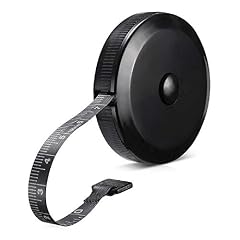
GDMINLO Soft Tape Measure Retractable Measuring for Body Fabric Sewing Tailor
Lets you measure washer and dryer dimensions accurately with 60 inch length.
Space needed for stacked washer and dryer
Stacked washers and dryers occupy roughly the footprint of one unit, so a 3 feet by 3 feet unit footprint usually suffices.
Height must accommodate the combined height of both units, which is generally between 6 and 7 feet.
Ensure you have at least 1 foot of vertical clearance above for ventilation and easy access.
Stack kits or brackets used to secure units add slight extra height and depth; factor these into your measurements.
- Footprint: approximately 3×3 feet
- Height: 6-7 feet total
- Vertical clearance: at least 1 foot above units
- Stacking hardware adds to dimensions
Minimum storage unit sizes that fit washers and dryers
A 5×3 feet storage unit is the minimum to store standard washers and dryers side by side safely, allowing minimal clearance.
For stacked units, a 3×3 feet unit with at least 7 feet ceiling height is sufficient.
If you want extra space to safely maneuver appliances or store related items, a 5×5 feet unit is recommended.
Units smaller than these sizes risk damage or inconvenience due to tight spacing and lack of ventilation.
| Arrangement | Minimum Unit Size (feet) | Recommended Height (feet) |
|---|---|---|
| Side by side | 5 x 3 | 6 |
| Stacked | 3 x 3 | 7 |
| Side by side with extra space | 5 x 5 | 6-7 |
How to prepare washers and dryers for storage
Before storing, unplug the appliances and disconnect all hoses to prevent water damage or mold growth.
Drain all water from washers and dryers completely; residual water causes odor and damage.
Clean exterior and interior thoroughly to avoid stains or mildew while stored.
Use appliance covers or plastic sheeting to protect surfaces from dust and scratches during storage.
Leaving any residual water in the washer or dryer can cause mold growth, unpleasant odors, or even freeze damage if the storage unit experiences cold temperatures. It’s best to drain completely and leave doors or lids open slightly to air out.
Label all disconnected hoses and cords clearly to make reinstallation easier when you retrieve your appliances from storage.
If possible, store washers and dryers on sturdy pallets or boards to avoid direct contact with cold, damp floors, which can cause rust or damage to the base over time.
- Unplug and disconnect all power and water connections.
- Drain water completely from the washer tub and dryer exhaust.
- Clean inside and out; remove lint and wipe down surfaces.
- Cover appliances with breathable fabric or plastic sheeting.
What size storage unit for washer and dryer — precise fitting advice
The exact storage unit size needed depends on your washer and dryer’s specific dimensions and how you arrange them.
Measure width, depth, and height precisely before choosing a unit to avoid surprises.
If storing side by side, ensure at least 5 feet width and 3 feet depth; for stacked, a 3×3 feet unit with 7 feet height is required.
Add clearance space (about 1-3 inches per side) for ventilation and moving space.
Your unit choice should also consider if you want extra room for stacking hardware, accessories, or to avoid tight squeezes.
- Measure your washer’s width, depth, and height.
- Measure your dryer’s same dimensions.
- Decide arrangement (side by side or stacked).
- Add at least 1-3 inches clearance around appliances.
- Select a storage unit size based on total dimensions plus clearance.
Questions people still ask
Can a washer and dryer fit in a 5×5 storage unit together?
Yes, a 5×5 feet unit is a comfortable size to store a washer and dryer side by side, leaving space for ventilation and access.
Is stacking washer and dryer better for storage units?
Stacking saves floor space needing roughly 3×3 feet footprint, but requires a unit with at least 7 feet height and secure stacking hardware.
Do I need to remove water from the washer before storage?
Absolutely. Draining all water prevents mold and damage, especially if the storage unit is unheated.
What is the minimum clearance needed between washer and dryer units?
At least 1 to 3 inches clearance is advised to reduce vibration damage and allow airflow.
Are mini washers or compact units easier to store?
They require less space, but still measure carefully; some compact units are shallower but wider, altering space needs.