
How to pack crystal glasses for moving without chips or cracks
By Becca Published 7 min read
As an Amazon Associate I earn from qualifying purchases. That costs you nothing and does not decide what gets recommended.
On this page (8 sections)
- Key takeaways
- What you need to pack crystal glasses safely
- Which packing materials protect crystal glasses best
- How to wrap each glass securely for moving
- How to choose the right box for moving glasses
- How to arrange glasses inside the box to prevent contact and breakage
- Common mistakes when packing crystal glasses and how to avoid them
- Questions people still ask
In short: Pack crystal glasses using soft, cushioning materials like acid-free tissue paper or bubble wrap, place them upright in a sturdy, corrugated box with dividers, and ensure no glass touches by filling all gaps with packing peanuts or crumpled paper.
Part of our guide on choosing protection for dishes
Learn exact materials and steps to pack crystal glasses so they arrive at your new home intact and chip-free.
| Wrapping thickness | 2-3 layers |
|---|---|
| Box type | Double-wall corrugated |
| Glass orientation | Always upright |
| Padding fill | Complete gap fill |
| Handling | Fragile, top load only |
Key takeaways
- Use soft wrapping like acid-free tissue or bubble wrap for each glass
- Choose a corrugated box with dividers for individual glass compartments
- Pack glasses upright and never stacked inside each other
- Fill empty spaces to prevent movement during transit
- Label boxes as fragile and handle with care
What you need to pack crystal glasses safely
To pack crystal glasses securely, gather acid-free tissue paper, bubble wrap with at least 3/16 inch bubbles, packing paper, sturdy double-wall corrugated boxes with dividers, packing tape, and cushioning materials like packing peanuts or crumpled paper.
Avoid newspaper as ink can damage delicate crystal and skip colored tissue paper that may stain. The box should be specifically designed for glassware or be a heavy-duty moving box at least 16 inches deep.
Having a marker for labeling and scissors or a box cutter for precise cuts will streamline the packing process.
If you are packing a large number of glasses, prepare a dedicated work area with enough space to wrap and place the glasses safely before boxing. This reduces the risk of accidental knocks or drops during packing. We go through how to pack a large mirror for moving step by step elsewhere on the site.
Keep the temperature and humidity stable in your packing area, as extreme cold or heat can make crystal more brittle, increasing the chance of cracking during handling or transit.
- Acid-free tissue paper: protects against scratching and chemical stains
- Bubble wrap: adds cushioning, 3/16 inch bubbles balance protection and bulk
- Double-wall corrugated box: supports heavy loads and prevents crushing
- Dividers: prevent glasses from touching and breaking
- Packing peanuts or paper: fills voids to stop shifting
Which packing materials protect crystal glasses best
Acid-free tissue paper or unprinted soft paper wrapped around crystal glasses provides a thin, gentle barrier preventing scratches. Wrap at least 2-3 layers for effective protection.
Bubble wrap offers superior shock absorption. Use bubble wrap with medium-sized bubbles (3/16 inch); smaller bubbles may compress too much, larger bubbles add bulk without extra protection. The other half of this decision is how to pack dishes safely without paper.
Packing peanuts and crumpled paper are essential for filling empty spaces inside boxes, preventing glasses from shifting and colliding during transport.
Avoid foam sleeves that can trap moisture against crystal and newspaper that transfers ink.
When selecting bubble wrap, ensure the wrap is clean and free from any grease or dirt that could transfer onto the crystal surface. Also, test the bubble wrap for softness; some cheaper varieties have harder bubbles that might scratch delicate rims. For the detail, see our notes on how to pack picture frames with glass.
For extra protection, consider layering the tissue paper and bubble wrap with a thin plastic wrap to prevent dust and moisture from settling on the crystal during the move. However, do not seal the crystal completely airtight as trapped moisture can cause damage.
| Material | Scratch Protection | Shock Absorption | Moisture Risk | Bulkiness |
|---|---|---|---|---|
| Acid-free tissue paper | High | Low | Low | Low |
| Bubble wrap (3/16 inch bubbles) | Medium | High | Low | Medium |
| Packing peanuts | None | High | Low | High |
| Newspaper | Low | Medium | High | Low |
- Tissue: gentle, non-staining
- Bubble wrap: excellent cushioning
- Tissue: minimal shock absorption
- Bubble wrap: adds bulk and cost
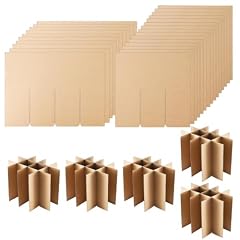
5 Sets Moving Box Glasses Divider Kits,Wine Glassware Dish Packing Divider
Separates and protects fragile glasses in a 16x12x12 inch box with sturdy 3-layer corrugated dividers
How to wrap each glass securely for moving
Place a sheet of acid-free tissue paper inside the glass bowl to protect the interior surfaces from contact with wrapping materials.
Wrap the entire glass (stem and bowl) in 2-3 layers of tissue paper to prevent scratches.
Add a layer of bubble wrap around the outside, securing it with low-tack tape that won’t leave residue or damage the crystal.
Make sure the glass is fully covered, especially around the bowl and rim, which are the most fragile parts.
Avoid tight wrapping that can stress the stem or bowl; allow a small cushion to absorb shocks.
For glasses with intricate stems or delicate decorations, add extra padding around the most fragile parts by folding additional tissue paper or bubble wrap. For example, a wine glass with a long, thin stem benefits from a double layer of bubble wrap specifically around the stem section.
After wrapping, test the wrapped glass by gently pressing around the bowl and stem to check for any hard spots where the wrap might be too tight or thin. Adjust layers to ensure an even cushion that absorbs shocks well.
- Step 1: Insert acid-free tissue paper inside the glass bowl.
- Step 2: Wrap 2-3 layers of tissue paper around the exterior.
- Step 3: Cover with one layer of bubble wrap, securing with tape carefully.
- Step 4: Set the wrapped glass upright on a soft surface before packing.
How to choose the right box for moving glasses
Select a double-wall corrugated cardboard box with sturdy construction and dimensions at least 16 inches deep to accommodate the glass height without forcing them.
Boxes with built-in dividers separate each glass into its own compartment, preventing contact and reducing the chance of breakage.
If you cannot find a box with dividers, use cardboard inserts or build custom partitions with cardboard sheets.
Check the box for any damage or softness in the base, which could cause crushing under weight.
Boxes designed specifically for glassware usually have reinforced bases and are tested to hold loads exceeding 20 pounds.
- Double-wall corrugated: stronger and crush-resistant
- Dividers: keep glasses separate and secure
- Box height: at least glass height + 2 inches
- Reinforced base: prevents bottom collapse
How to arrange glasses inside the box to prevent contact and breakage
Place each wrapped glass upright in its own divider compartment, making sure none touch each other or the box edges.
Fill all empty spaces around each glass with packing peanuts, crumpled packing paper or foam inserts to immobilize movement.
Avoid stacking glasses inside each other; this risks chips or cracks from uneven pressure on fragile rims or bowls.
Heavy glasses or stemware that are longer than standard should be packed separately in a smaller box with extra cushioning.
Once the box is full, place a layer of crumpled paper or bubble wrap on top before sealing to prevent vertical movement.
- Step 1: Place first layer of glasses upright in dividers.
- Step 2: Fill gaps completely with packing peanuts or paper.
- Step 3: Add a cushioning layer on top of the glasses.
- Step 4: Seal the box securely with packing tape, reinforcing the bottom and top.
Common mistakes when packing crystal glasses and how to avoid them
Stacking glasses inside each other is the most common cause of damage. Always pack individually wrapped glasses upright in dividers.
Using newspaper instead of acid-free tissue paper risks ink staining and uneven protection; pick appropriate wrapping materials.
Failing to fill gaps in the box allows glasses to shift and collide during move, causing chips or cracks.
Using single-wall boxes or boxes too small to accommodate the glass height can crush stems or rims.
Not labeling boxes as fragile leads to rough handling that increases breakage risk.
- Mistake: stacking glasses inside each other -> Use individual wrapping and dividers
- Mistake: using newspaper -> Use acid-free tissue or bubble wrap
- Mistake: leaving empty space in box -> Fill all gaps with packing peanuts or paper
- Mistake: choosing weak or small boxes -> Use double-wall boxes sized to glass height
- Mistake: failing to label fragile -> Clearly mark boxes 'Fragile' and 'This Side Up'
Questions people still ask
Can crystal glasses be wrapped only in bubble wrap without tissue paper?
Wrapping crystal glasses only in bubble wrap protects against impact but risks surface scratches. Acid-free tissue paper provides a gentle barrier against abrasion and should be used underneath bubble wrap for best protection.
Is it safe to pack glasses lying down instead of upright?
Packing crystal glasses upright reduces stress on stems and rims. Lying them down increases risk of pressure points and breakage, especially if the box shifts during transport.
How thick should bubble wrap be for crystal glasses?
Bubble wrap with bubbles about 3/16 inch diameter offers a good balance of cushioning and bulk for crystal glasses. Thicker bubble wrap adds protection but makes packing bulky.
Can I reuse old packing materials for crystal glassware?
Reusing packing materials is possible if they are clean, dry, and free of debris. Avoid newspaper or colored tissue that may stain crystal or transfer ink.
Do I need special boxes for crystal glasses or can I use regular moving boxes?
Specialized boxes with dividers are best to avoid contact damage. If unavailable, reinforce regular double-wall boxes with custom cardboard dividers and sufficient padding.