
How to store clothes in a storage unit to avoid moisture and pests long term
By Becca Published 8 min read
As an Amazon Associate I earn from qualifying purchases. That costs you nothing and does not decide what gets recommended.
On this page (9 sections)
- Key takeaways
- What you need
- How to clean clothes before storage
- Best containers or packaging for clothes storage
- How to prevent mold and mildew in storage units
- How to protect clothes from insects and rodents
- How to store clothes in storage unit long term
- Common mistakes to avoid when storing clothes long term
- Questions people still ask
In short: Store clothes in airtight, breathable containers after thorough cleaning and drying. Use moisture absorbers and pest repellents inside a climate-controlled unit kept between 55-75°F and 30-50% humidity to avoid mold, mildew, and insect damage long term.
Part of our guide on battery operated dehumidifier for storage unit
Detailed steps to pack, protect, and store clothes in storage units long term without damage from moisture or pests.
| Temperature range | 55-75°F |
|---|---|
| Humidity range | 30-50% |
| Ideal container | airtight breathable |
| Clothes cleaning | wash & dry fully |
| Pest risk | high without repellent |
Key takeaways
- Clean and dry clothes completely before storage to prevent mold.
- Use breathable, airtight containers or garment bags for packing.
- Choose climate-controlled units to maintain stable temperature and humidity.
- Add moisture absorbers and pest repellents inside containers and unit.
- Elevate containers off the floor and inspect periodically for damage.
What you need
Gather the right supplies before packing clothes for long-term storage to ensure protection from moisture and pests.
Use airtight but breathable containers or sealable garment bags to prevent dust and pests while allowing fabric to breathe.
Include moisture absorbers like silica gel or activated charcoal packets and pest repellents such as cedar blocks or mothballs safe for enclosed spaces.
- Cleaning supplies: detergent, stain remover, dryer or drying rack
- Storage containers: airtight plastic bins with lids or zippered garment bags
- Moisture control: silica gel packets or activated charcoal
- Pest deterrents: cedar blocks, lavender sachets, or safe mothballs
- Labels and markers for organization
- Pallets or shelving to keep containers off floor
How to clean clothes before storage
Clothes must be completely clean and dry before storage to prevent mold and odors. Wash garments according to fabric care instructions using appropriate detergents. We go through how to wrap furniture for long term storage step by step elsewhere on the site.
Treat stains fully since they can attract pests and degrade fabric over time. Avoid storing clothes with any dirt or body oils, which foster mildew.
Dry clothes thoroughly. Dampness above 15% fabric moisture can cause mold growth within days. Air-dry delicate items if using dryers risks shrinkage or damage.
For example, a cotton shirt washed and dried thoroughly before storage might have residual moisture below 5%, reducing mold risk significantly. On the other hand, storing clothes without drying them, with moisture levels around 20%, can lead to mildew odor and visible spots within a week in humid environments. The other half of this decision is how to move without boxes.
If you notice any musty smell or feel dampness when packing, it’s a clear sign to rewash or dry the items. Using a fabric moisture meter can help; readings above 15% indicate clothes are not dry enough for storage. This check prevents costly fabric damage and long-term odor build-up.
- Sort clothes by fabric type and care label.
- Pre-treat any stains with stain remover.
- Wash clothes in detergent suitable for fabric, using warm or cold water as recommended.
- Dry clothes completely using a dryer or air-drying where appropriate.
- Inspect garments for any lingering dampness or odors before packing.
Best containers or packaging for clothes storage
Use airtight plastic bins with secure lids to protect clothes from moisture and pests but ensure they allow minimal air exchange to prevent condensation.
For delicate or wrinkle-prone items, use breathable cotton garment bags. Avoid plastic bags as they trap moisture and promote mildew. For the detail, see our notes on preparing storage unit pest free.
Vacuum sealing is risky long term since it compresses fibers and traps any residual moisture, risking odor and damage.
Stack containers on pallets or shelving to keep off cold, damp floors that encourage mold growth.
Plastic bins vary widely in quality; choose those made from high-density polyethylene (HDPE) or polypropylene for durability and chemical resistance. These bins typically range from 15 to 40 liters and provide a tight seal against moisture and pests. Their opaque nature also shields clothes from light that can fade fabrics. If that sounds like your situation, read up on preparing books for plastic storage next.
Garment bags made of 100% cotton canvas allow air exchange while protecting delicate fibers from dust and pests. A 24-inch wide, 60-inch long bag suits most dresses or suits. Avoid using typical dry-cleaning bags, which are thin polyethylene prone to condensation buildup that damages clothes over time.
| Container Type | Moisture Protection | Breathability | Suitability for Delicates |
|---|---|---|---|
| Airtight plastic bins | High | Low | Moderate with tissue paper |
| Cotton garment bags | Moderate | High | High |
| Vacuum sealed bags | High | None | Low – fiber compression risk |

How to prevent mold and mildew in storage units
Mold spores thrive in humidity above 60% and temperatures above 70°F. Keep storage units climate controlled between 55-75°F and humidity near 30-50%.
Use moisture absorbers inside containers and the unit space itself. Silica gel packets absorb 20-30% of their weight in moisture and can be recharged by drying in an oven.
Avoid storing clothes directly on the floor or against walls; leave breathing space and elevate containers to improve air circulation.
Regularly inspect and air out the unit when possible to detect early signs of mold development.
- Choose climate-controlled storage units with temperature and humidity control
- Use moisture absorbers like silica gel or activated charcoal packets
- Elevate storage boxes off the floor on pallets or shelving
- Leave 1-2 inches gap between containers for air circulation
- Inspect unit and contents every 3-6 months
How to protect clothes from insects and rodents
Insects like moths and rodents seek fabric fibers and can chew or stain clothes. Prevent infestations by sealing containers tightly and using natural repellents.
Cedar blocks and lavender sachets repel moths without harmful chemicals but need replacement every 6-12 months for effectiveness.
Avoid mothballs in enclosed spaces without ventilation, as they emit toxic fumes. Use them only in well-ventilated storage or follow strict guidelines.
Inspect clothes and storage boxes periodically for signs of insect damage or droppings and remove any infested items immediately.
- Seal clothes in airtight containers or bags
- Place cedar blocks or lavender sachets inside containers
- Avoid mothballs unless ventilation is adequate
- Inspect boxes quarterly for signs of pests
- Keep storage unit clean and free of food debris
How to store clothes in storage unit long term
Follow a structured packing and storage sequence to maximize clothes longevity:
Start with cleaning and drying all garments thoroughly. Next, pack using suitable containers with moisture absorbers and pest deterrents inside.
Choose a climate-controlled storage unit, elevate containers, and arrange them to allow airflow.
Label boxes clearly for easy access and inspect the unit every few months to recheck humidity and pest control.
Avoid stacking heavy items on top of delicate clothing containers to prevent crushing and deformation.
- Clean and dry all clothes thoroughly as per fabric care.
- Pack clothes in airtight, breathable containers or garment bags.
- Add moisture absorbers and pest repellents inside each container.
- Choose a climate-controlled storage unit with 55-75°F and 30-50% humidity.
- Elevate containers off the floor on pallets or shelving.
- Label containers with contents and date packed.
- Stack containers carefully, leaving space for air circulation.
- Inspect unit and clothes every 3-6 months for moisture or pests.
Common mistakes to avoid when storing clothes long term
Another frequent error is neglecting to label containers clearly. Without proper labeling, you might open multiple boxes or expose stored clothes unnecessarily to air and contaminants during retrieval, increasing damage risk. Label each container with content descriptions and dates packed using waterproof markers.
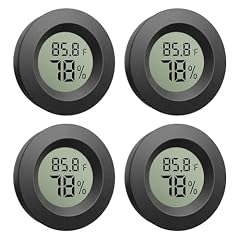
Failing to maintain storage conditions is common. Even in climate-controlled units, humidity can fluctuate seasonally. Use a portable hygrometer to monitor this and replace moisture absorbers every 2-3 months, as saturated packets lose effectiveness, allowing mold to develop unnoticed.
Stacking containers too high can restrict air circulation, trapping heat and moisture in lower boxes, which promotes mildew. Limit stack height to about three bins, leaving 1-2 inches between stacks for airflow. This spacing helps maintain stable internal temperatures and humidity levels, preserving fabric integrity.
- Packing damp clothes -> Always wash and dry completely to prevent mold.
- Using garbage bags -> Use breathable garment bags or airtight bins instead.
- Storing on concrete floors -> Elevate containers to avoid moisture from floor.
- Ignoring humidity -> Choose climate-controlled units and monitor humidity with a hygrometer.
- Skipping pest repellents -> Use cedar blocks or lavender sachets to deter insects naturally.
- Overpacking containers -> Avoid crushing clothes to maintain fabric shape.
Questions people still ask
Can I store clothes without washing them if they seem clean?
No. Even invisible body oils and dirt encourage mold and attract pests over time. Always wash and dry clothes completely before storage.
Is vacuum sealing good for storing clothes long term?
Vacuum sealing removes air but compresses fibers and traps any moisture. This can cause fabric damage and odor if any dampness remains, so it's not recommended for long-term storage.
How often should I check clothes in storage for damage?
Inspect them every 3-6 months to catch early signs of mold, moisture, or pests. Weather variations can impact storage conditions, so regular checks are important.
Are mothballs safe to use in storage units?
Mothballs release toxic fumes and should only be used in well-ventilated areas. For most indoor storage units, safer natural repellents like cedar or lavender are better choices.
What temperature and humidity are ideal for long-term clothes storage?
Keep units between 55-75°F and humidity at 30-50% to prevent mold growth and fabric degradation.