
How to move clothes, TVs, and small items without using any boxes
By Becca Published 8 min read
As an Amazon Associate I earn from qualifying purchases. That costs you nothing and does not decide what gets recommended.
On this page (8 sections)
- Key takeaways
- What you need to move without boxes
- Cheapest way to move clothes without boxes
- How to move a TV without its box
- How to move small items efficiently without boxes
- Alternatives to boxes for moving clothes and fragile items
- Common mistakes when moving without boxes and how to avoid them
- Questions people still ask
In short: Move clothes using laundry bags or suitcases, protect TVs with blankets and bubble wrap, and pack small items into containers like baskets or drawstring bags to avoid boxes and ensure safety.
Part of our guide on packing paper or bubble wrap for dishes
| Laundry bags capacity | 20-40 liters |
|---|---|
| TV weight limit | depends on size, often 10-25 kg |
| Small item bags size | 5-15 liters |
| Packing time saved | up to 30% |
| Protection level | high with padding |
Key takeaways
- Laundry bags and suitcases are the cheapest, safest alternatives for clothes.
- Wrap TVs carefully with thick blankets and bubble wrap to prevent damage.
- Use baskets, bins, or drawstring bags for small items to stay organized.
- Avoid boxes by repurposing household items suited to the contents.
- Label everything clearly to prevent confusion and damage.
What you need to move without boxes
Moving without boxes requires alternative containers and protective materials that suit your belongings' size and fragility.
Prepare laundry bags, suitcases, duffel bags, thick blankets, bubble wrap, drawstring bags, plastic baskets, and stretch wrap.
You will also need strong tape and permanent markers for labeling, plus stretch film to secure loose items.
Gather these supplies before packing to save time and ensure a damage-free move. We cover moving clothes on hangers efficiently in its own article.
Choose laundry bags made from durable, breathable materials such as polyester mesh to prevent moisture buildup that can cause mildew during transit, especially for longer moves. Suitcases with wheels and sturdy handles help in navigating stairs or uneven surfaces, reducing strain and risk of dropping. When selecting blankets for fragile items, opt for those with a soft, thick nap to absorb shocks and prevent scratches; fleece or moving-specific blankets are ideal. Bubble wrap comes in various sizes; 10-15 mm bubbles offer a good balance of cushioning and flexibility for most household items.
- Laundry bags or mesh bags for bulky soft items like clothes
- Suitcases or duffel bags for heavier or folded clothing
- Thick blankets and bubble wrap to protect fragile items
- Drawstring bags or small baskets for loose small items
- Stretch film for securing bundles and cushioning
Cheapest way to move clothes without boxes
The cheapest effective method involves using laundry bags and existing suitcases, which eliminate the need to buy boxes or packing crates.
Laundry bags hold about 20-40 liters; choose heavy-duty ones that can carry around 5-7 kg comfortably without tearing. If that sounds like your situation, read up on how to store clothes long term next.
Suitcases and duffel bags transfer clothes and fragile folded fabrics efficiently while providing handles for easier transport.
To avoid damage, fill the bags fully but do not overstuff to keep clothes wrinkle-free and manageable.
If you have delicate items like silk or linen within your clothes, interleave them with acid-free tissue paper inside laundry bags or suitcases to minimize creasing and fiber damage. Laundry bags vary in size from 40 to 80 liters; a large 60-liter bag can hold around 6 kg of folded cotton clothes without overstuffing. On a move of 3 hours or less, handle laundry bags by their reinforced seams to avoid tears; for longer distances, double-bagging items is a reliable precaution. Suitcases with hard shells better protect clothes inside against bumps, but soft-sided ones compress more easily into vehicle spaces, so choose based on your transport method. We cover how to pack tv safely without box in its own article.
- Sort your clothes into categories: hangers, folded garments, and delicate fabrics.
- Place folded clothes into laundry bags or suitcases, layering with tissue paper where wrinkles matter.
- Bundle hanging clothes on a portable rod or in wardrobe bags if you have them, or use a hanging garment bag if fit to carry.
- Seal the laundry bags tightly, using stretch film if available to prevent spillage.
- Label the bags with their contents and destination room for faster unpacking.
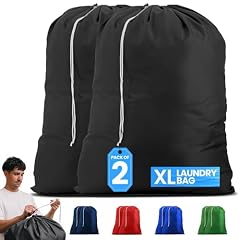
Handy Laundry Bags Nylon Extra Large
Carries laundry safely with tear-resistant nylon fabric and an extra-large capacity fitting 3 full loads
How to move a TV without its box
Moving a TV without its original packaging requires careful cushioning and stabilizing to prevent screen damage.
Start by wrapping the TV screen and frame in bubble wrap, covering corners with extra padding.
Use thick moving blankets to envelop the entire unit, securing with stretch wrap or tape without applying adhesive directly to the TV. People in this spot often ask about best way to label moving boxes as well.
Carry the TV upright; laying it flat risks internal damage, so always transport it on its edge.
If possible, transport in a vehicle with soft flooring or padded surfaces to reduce shock.
Screen size influences protection needs: for TVs 32 inches or larger, add extra layers of bubble wrap (at least three layers) and secure with painter's tape, which won't leave residue. Avoid using duct tape directly on the TV screen or frame, as adhesive residues can damage surfaces and complicate cleaning. When no moving blankets are available, thick comforters or quilts can substitute, but ensure they are clean and free from loose buttons or embellishments that might scratch the screen. In a car, place the TV upright against the back seat or a padded wall, using pillows or blankets to wedge it securely and prevent movement during transit.
- Unplug and detach cables, labeling each for easy reassembly.
- Wrap the TV screen with bubble wrap; secure corners with extra padding like foam or towels.
- Cover the whole TV with a thick moving blanket, wrapping tightly.
- Use stretch film or wide tape to hold the blanket in place without sticking to the TV surface.
- Carry the TV upright, using two people, and place it gently against a stable surface during transport.

Simpli-Magic Heavy Duty Padded Moving Blankets 72" x 40"
Protects TVs with 72 x 40 inch thick padded moving blankets made of heavy-duty polypropylene with reinforced stitching
How to move small items efficiently without boxes
Small items are easier to lose or break during moves, so choose containers that keep them visible but contained.
Reusable plastic baskets or fabric drawstring bags are efficient alternatives; they come in various sizes and allow airflow.
Group related items together to reduce the number of containers and simplify unpacking.
Wrap fragile small items individually in cloth or bubble wrap before placing them inside.
Label every container with contents and destination room to avoid confusion.
For small fragile items like glassware or jewelry, wrap each in soft cloth or bubble wrap and place them in separate smaller bags before grouping into larger baskets to prevent scratches and breakage. Use stackable, ventilated plastic baskets sized between 20 to 30 liters to maximize space and keep items visible; this helps during loading and unloading. Cloth drawstring bags are best for lightweight items but avoid using them for heavy small items, as they may tear and cause loss. After packing, testing the security by gently shaking each container ensures nothing shifts or falls out during transportation.
- Sort small items by type or destination, such as kitchen tools, toiletries, or electronics.
- Wrap breakables with cloth or bubble wrap individually.
- Place items into plastic baskets or drawstring bags, avoiding overpacking which risks damage.
- Use stretch film to secure baskets or bags if necessary.
- Label each container clearly on multiple sides.
Alternatives to boxes for moving clothes and fragile items
Besides laundry bags and suitcases, consider vacuum bags for compressing clothes and soft textiles to save space.
Wardrobe garment bags preserve hanging clothes without folding, but need a sturdy rod to carry.
For fragile items, use towels, padded envelopes, and reusable plastic containers with cushioning rather than boxes.
Inflatable air pillows or foam sleeves add protection inside containers when boxes are absent.
These options reduce trash and save money but require careful packing technique for damage prevention.
| Container Type | Capacity | Protection Level | Cost | Best Use |
|---|---|---|---|---|
| Laundry bags | 20-40 liters | Low to Medium | Low | Soft clothing |
| Suitcases | 30-60 liters | Medium | No extra cost if owned | Folded garments and shoes |
| Vacuum bags | Varies | Low (no padding) | Low | Compressing bulky clothing |
| Garment bags | Depends on length | Medium | Low | Hanging clothes |
| Plastic containers | Varies | High with padding | Medium | Fragile small items |
| Towels and blankets | N/A | High | No extra cost if reused | Fragile wrapping |
Common mistakes when moving without boxes and how to avoid them
The most frequent errors are overloading bags, insufficient padding for fragile items, poor labeling, and neglecting to secure items inside containers.
Avoid overstuffing laundry bags or suitcases beyond their weight capacity; this causes tears and injury.
Use adequate bubble wrap or blankets for TVs and breakables to prevent impact damage during transport.
Label every container clearly on multiple sides to speed unpacking and reduce mix-ups.
Secure contents with stretch film or tape inside containers to prevent shifting that can cause breaks.
- Overloading laundry bags -> distribute weight evenly, keep below 7 kg
- Insufficient padding -> use bubble wrap and blankets liberally for fragile items
- No labeling -> label all containers with content and destination room
- Loose items inside bags -> secure with stretch film or internal wrapping
Questions people still ask
Can I move clothes without any containers at all?
Moving clothes without any container risks tangling, wrinkling, and damage. Laundry bags or suitcases are minimal solutions that protect clothes while keeping them manageable.
How do I protect a TV screen during a move without the original box?
Wrap the screen tightly in bubble wrap and cover with thick moving blankets. Secure padding firmly and transport the TV upright to prevent cracks or internal damage.
What alternatives to boxes work best for fragile small items?
Reusable plastic baskets lined with towels or bubble wrap work well. Drawstring bags can hold grouped items but need extra padding for breakables.
Is vacuum sealing clothes a good option when moving without boxes?
Vacuum bags save space but offer no protection against impact. Use them only for non-fragile textiles and pack carefully to avoid crushing delicate fabrics.
How can I keep small items organized without boxes?
Sort items by type and use baskets or cloth bags with labels. Wrapping fragile goods separately and securing containers prevents loss or damage.